This is part one of a series of motoblogs exploring my ancestors and their contribution to our nation. Riding to see the places and monuments where they tamed a land and finally won their freedom after so many centuries fighting for it.
Over the last four days I clicked off about 1500 miles covering portions of 5 states exploring the southern portion of the Ulster-Scot Diaspora.
I rode highways built over ruts from the wagons that carried my people to the new world where their culture formed the bedrocks of American culture.
Fried chicken, car racing, loving guns, the pioneer spirit, giving the government the middle finger…all these and more are gifts from the people I came from.
The greatest gift came in the blood they took and gave to free us from a sickness of tyranny that tried to infect this new land. I have been a history buff since grade school but I still find amazing things every time I do one of these.
The Tower of Victory? The white guy that saved the Cherokee? I guess I will thank the failures of the liberal education system for the fact I have to take all these good rides. Learning about history on the place it happens is better. I can feel their spirit on blood and sweat soaked ground where they toiled and fought.
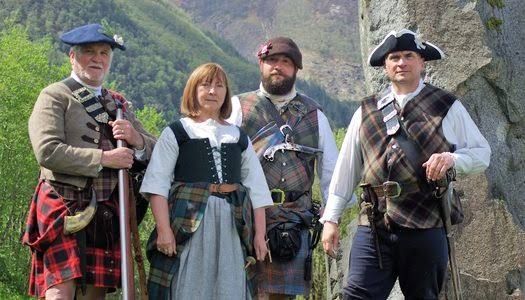
I am an American of the Ulster Scot variety.
Many of you are as well and do not know it. Did you take one of these 23 and me type DNA test and get a big component of Irish?
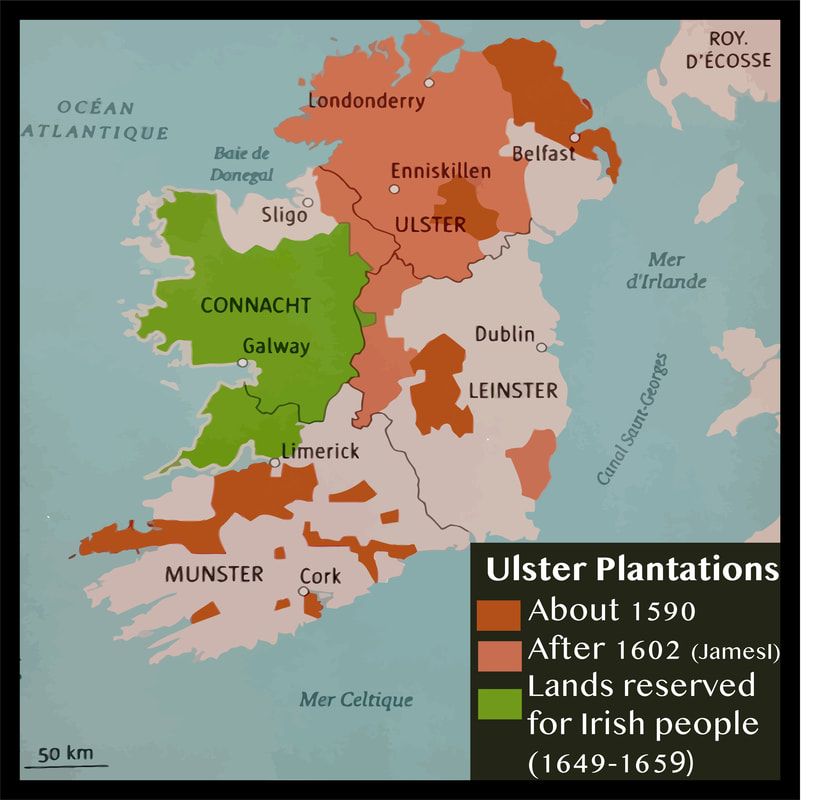
Your ancestors may have come here from Ireland, but they were only there a short time, having been relocated by the British to what was known as the “Ulster Plantation”.
To give you the background of the story, I’ll begin quoting a portion of a great and succinct history piece on the plantations:
In the late 1500s, Ulster was the last province in Ireland that was mostly outside the hands of the advancing English Kingdom of Ireland. It was almost exclusively Gaelic in langauge and culture and Catholic in religion.
It was also the poorest and least developed province in Ireland, with much of the interior being covered in dense forest, mountains and bogs.
The attempt by the English to enforce their authority there led to a long and bloody conflict with the Ulster lords, led by Hugh O’Neill, who also enlisted help from restive lords all over Ireland and from Catholic Spain.
The Nine Years War, begun in 1595, ended only in 1603 with O’Neill’s final surrender to Charles Blount, Lord Mountjoy, at Mellifont. Much of the province of Ulster had, in the intervening years, been devasted by warfare, scorched earth tactics and famine. But the surrender of O’Neill in 1603 was not immediately followed by the plantation.
By 1610, however Chichester adn Davies were envisaging a scheme whereby all the native Irish would be removed from lands in Ulster set aside for settlers, who would all be English speaking and Protestant. To this end, they mapped and surveyed the province in 1608.
The plantation was to be both English and Scottish in character. In 1603 Queen Elizabeth I of England had died and been succeeded by James Stuart, King James VI of Scotland, who now also became King James I of England. James welcomed the plantation scheme as a joint English-Scottish venture and as a means of ‘civilising’ and pacifying Ulster, which had up to this point been the most rebellious province in Ireland. Scots would provide half of the settlers, alleviating land hunger in the lowlands and borders of Scotland.
The Plantation was also consistent with James’ previous policies in Scotland where he had tried to bring under control the independent Gaelic lordships in his kingdom and to introduce there the English langauge and Protestant religion. He had previously sponsored plantations of lowland Scots in the Gaelic-speaking Highlands and Isles of western Scotland.
The Ulster Plantation took about two years to plan and went through several drafts. Arthur Chichester, the Lord Deputy, initially favoured allocating most land to the ‘loyal Irish’, who would be resettled around military garrisons and clusters of English and Scottish settlers.
John Davies, the Solicitor General, on the other hand, favoured a more radical approach whereby the native Irish landowners would be removed entirely and replaced with three classes of English and Scottish landholders.
The first, ‘Undertakers’ would be major aristocrats from England and from Scotland who would be able to import large numbers of settlers from among their tenants and dependents. All of their tenants would have to take the Oath of Supremacy, recognising that the monarch was the head of the Church; ensuring that they would be Protestants.
The Undertakers were forbidden from taking tenants ‘of the ancient Irish race’; meaning that they were not to be either Irish or Gaelic speaking Scots. This category of Planter, about 120 men, were to import 24 families for every 1000 acres granted to them and were also obliged to built defensible towns and Protestant churches on their new estates.
The second category would be
‘Servitors’; English military veterans such as Chichester himself, who would be granted lands around military garrisons. These men, numbering about 60, were permitted to take Irish tenants, presumably because they, as former soldiers, were best placed to police them.
Thirdly, there were what might be described as institutional grantees. These included the Protestant Church of Ireland and Trinity College Dublin, both of which were granted confiscated land, mostly in western Ulster.
More important, however, were the merchant companies of the City of London, whose available capital meant they were best placed to take on the expense of constructing new fortified cities at Derry (now to be known as Londonderry) and Coleraine. This turned out to be a loss-making venture, but in return they were granted monopolies on fishing and timber extraction in the region.
Finally, about twenty per cent of the land available was set aside for the remaining ‘loyal Irish’ lords. The numbers of these was culled further in 1615, when Chichester, alleging a new conspiracy, hanged several Ulster lords, including members of the O’Neill and O’Cahan families. There was to be little organised Irish resistance to the plantation, though banditry – by what the English termed ‘wood-kernes’ – remained widespread during the early years of Plantation.
Along with the state-sponsored plantation in the centre, west and south of Ulster, the east of the province was also ‘planted’ by private lords, mostly from Scotland, who successfully imported a large number of settlers.
The Plantation of Ulster did much to transform the social, economic, political, linguistic and religious geography of the north of Ireland. It created a solid block of Protestant settlement there that persisted into the modern era. However, the impact of the Plantation of the early 1600s can be overstated. English and Scottish Protestant migration to Ulster was not limited to the Plantation itself. Scottish Presbyterians in particular, arrived in Ulster in several subsequent waves, most notably in the 1690s.
In fact the largest settlement occurred in eastern Ulster, outside of the lands seized for the state-run scheme. Independent of the official Planation, in eastern Ulster, Scottish landowners, notably James Hamilton and Hugh Montgomery on their own initiative, acquired large amounts of land in Antrim and Down and settled it with Scots, largely drawn from their estates in Scotland.
You can read the rest of the story of the Ulster Plantations at the link (highlighted words before the quote take you to the piece).
The problems the Plantation brought about linger to this day. I think of it every time I hear someone say “smart city”. The British were Globalists too.
With the background now laid, the next chapter began, and it is where this motoblog intersects.
The Scot will fight anyone with brutality and determination that people will talk about millenia later. When Rome tried to invade, it ended with Hadrian’s Wall. Built to keep them from raiding and invading in revenge. They do not like being used as a proxy to fight someone elses war, and the Ulster Plantation was really a Garrison for English Domination of Ireland.
The Scottish heard of a new land with open frontier. A lawless and dangerous place without anyone telling them what to do.
They said “fucking perfect” and boarded boats to America.
They were responsible for nearly everything that made America Great. Nearly everything you would consider American Culture is actually from these Scots.
I don’t mean some of them. Nearly ALL of what we would consider blue collar today, the small farmers ans working class, just up and left. 40% of the Scots in the plantation, 15% of the entire region’s population.
They came in what history would call the blink of an eye, over a period of 50ish years, 1725-1775. The last of them just in time for the party the first of them got started, called the American Revolution.
The massive wave of Ulster Scots (commonly known in North America as the Scots-Irish) to America during the 18th century was Between 1717 and 1775, and driven by a combination of severe economic hardships, religious discrimination, and the promise of cheap land. It is estimated 200,000 to 250,000 Ulster Scots left the northern province of Ireland for the American colonies.
The coastal areas were already populated by the type of people they were fleeing from. You have to be a real asshole to wear a powdered wig in Pennsylvania or coastal Georgia in the summer.
The Scots preferred to kill those kind of people. They would not have their chance until the 1860’s though. First, kill more English, and create the greatest nation in the history of the world.
They did not settle in the cities, they immediately went west to find land of their own.
When they saw the mountains of Appalachia, it stirred their blood memory and their souls. This land, in these far blue mountains, had to be their reward for centuries of battle. against the dark forces of monarchy and church. While they did not know there was more ahead, the thought of anyone taking this promised lans from them would be the driving force in the history of the nation they would soon found.
As you ride up I-95 from Jacksonville, FL to Savannah, the road is decent conditions but the redcoats still occupy that stretch with radar guns and drones. I got a super speeder ticket there a couple years ago. Keep it under 80.
You will go over a number of elevated highway portions with great views of coastal waterways and swamps.
I bet it reminded them of The Debatable Lands, a notoriously swampy, marshy, and entirely lawless strip of no-man’s-land along the border between England and Scotland.
For roughly 300 years (from the 13th to the early 17th century), neither country could control it. It was populated by Border Reivers—savage, heavily armed outlaw clans who specialized in cattle rustling, kidnapping, extortion, and bloody family feuds.
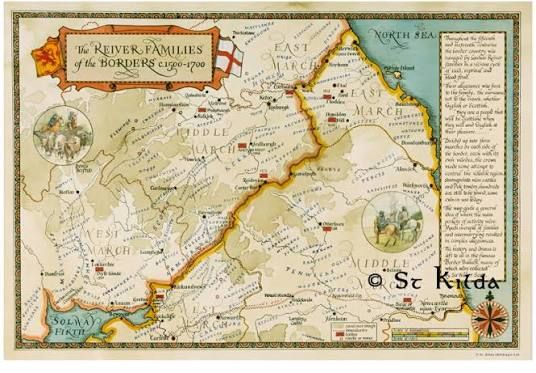
It became so uncontrollably violent that in the mid-16th century, both governments issued an unbelievable joint declaration stating that it was entirely legal to rob, murder, and destroy anyone living in the Debatable Lands, essentially washing their hands of the region.
Rather than being loyal to a king or country, the people were loyal only to their family surnames. Famous Reiver families included the Armstrongs, Elliots, Grahams, Maxwells, Johnsons, and Scotts. Because centuries of cross-border wars constantly burned their crops, they stopped farming and survived purely by raiding. They were so famous for extortion that they actually invented the modern word “blackmail” (derived from the mail, or rent, paid in cattle/protection money to avoid being raided).
When King James VI of Scotland inherited the English throne in 1603 (becoming King James I of England), he unified the two countries and immediately initiated a brutal crackdown to eliminate the Reivers. He dismantled their stone towers, executed their leaders, and forcibly deported thousands of the remaining Reivers to the Ulster Plantation in Northern Ireland.
When you hear about Appalachianm fueds like the Hatfields vs the McCoys, it is just the echoes of the old country.
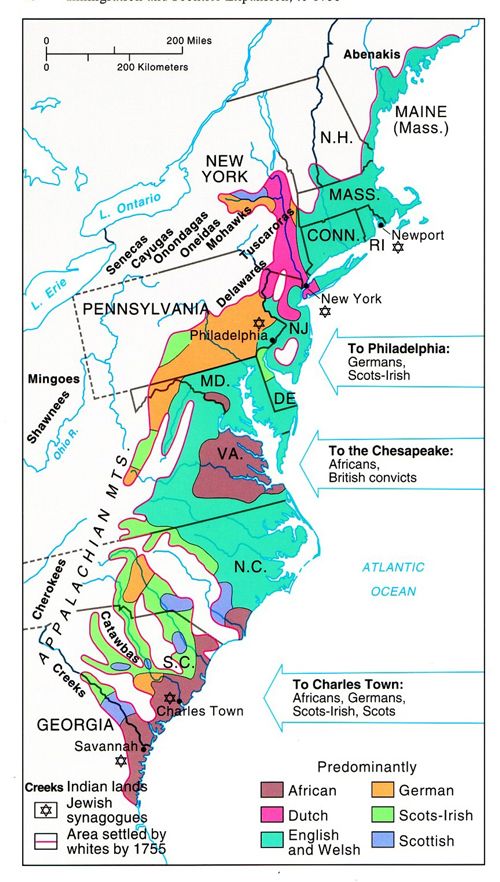
About 15,000 Ulster Scots settled in the upper Savannah River valley and areas bordering South Carolina in early waves of migration.
The most significant organized wave of direct Ulster migration to Georgia occurred just before the Revolution. Prominent Ulster-born merchants in Savannah, like John Rae, successfully petitioned the royal governor for a 15,000-acre land grant to settle Irish Protestants. This led to a few ships arriving directly in Savannah, carrying hundreds of families who quickly moved inland to establish the town of Queensborough, near modern-day Louisville, Georgia.
I exited I-95 in Port Wentworth, GA, , at the southernmost end of the Ulster Scot Diaspora. Each mile a mile closer the Promised Land in the far blue mountains.
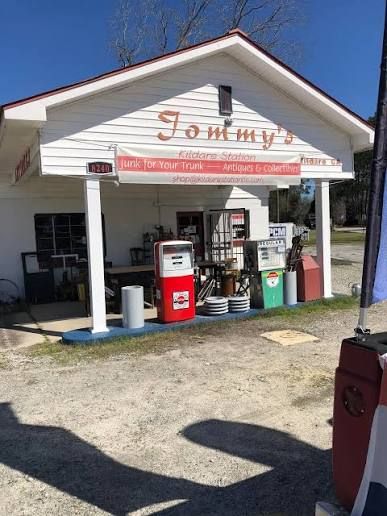
I was looking for Irish and Scottish references and it did not take long and I rolled through a small town called Kildare.
Named directly after County Kildare in Ireland. Although Kildare is in the province of Leinster (south of Ulster), names like this were brought by Scots-Irish railroad builders and settlers when rail stops were established along the line connecting Effingham and Screven counties in the late 19th and early 20th centuries.
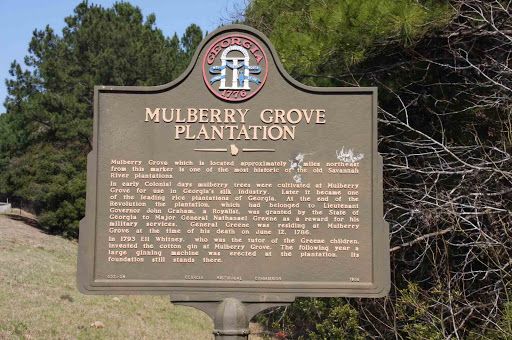
Tucked into the trees along GA-21 near the Chatham/Effingham line, just north of I-95 is a marker for Mulberry Grove Plantation, a hotbed of history. During the Revolution, it was a Loyalist stronghold confiscated by Ulster-Scot Patriots and later gifted to General Nathanael Greene for his war service.
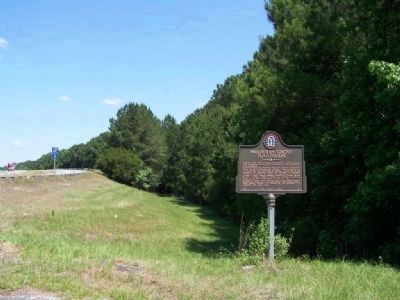
It was on this exact property in 1793 that a tutor named Eli Whitney invented the cotton gin, changing the economic trajectory of the American South forever.
Continuing up the Savannah River Valley I stopped for gas in Waynesboro. This was a place of immense valor, and I got a nice meaty chunk of what I rode for here
Waynesboro and Burke county’s early history is deeply intertwined with the massive influx of Ulster-Scots pioneers who turned this patch of backcountry into a critical arena of the American Revolution.
Before it was Waynesboro, the region was part of St. George’s Parish, established by the British colonial government.
Long before the town was officially laid out, the surrounding backcountry was settled by a heavy concentration of Scotch-Irish families who had either migrated south via the Great Wagon Road or moved inland from the Savannah River trading routes. The area’s earliest trading post and settlement nucleus was a spot called Halifax.
Following the Revolutionary War, the state of Georgia reorganized the parish into Burke County (1777). In 1783, the town of Waynesboro was officially laid out as the county seat.
The town was named after General Anthony “Mad Anthony” Wayne. While Wayne himself was born in Pennsylvania, his family lineage was fiercely Ulster-Scots—his grandfather was a Protestant who had fought in Ireland at the Battle of the Boyne before crossing the Atlantic.
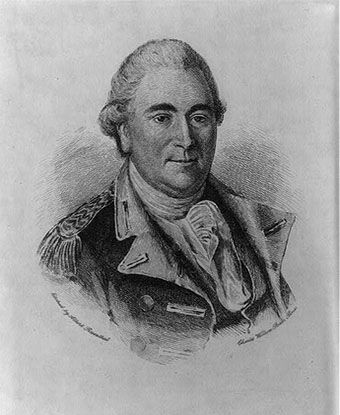
Anthony Wayne served as an officer in the Continental Army during the American Revolution. His military exploits earned him the nickname “Mad Anthony”. During the Revolution, Wayne played an important role in the 1777 Philadelphia campaign, the Battle of Monmouth, and the southern campaign.
In 1779, as the northern theater settled into stalemate, Wayne led a surprise assault on a British garrison at Stony Point, along the Hudson River in New York, inflicting over 100 British casualties and capturing over 400 prisoners. Wayne was briefly stunned by a musket ball to the head during the battle, but he was able to provide the Americans with a tactical victory critical for raising morale.
Arguably his most significant military contribution for the new nation was his campaign against American Indians in the Northwest Territory in the 1790s. His victory at the Battle of Fallen Timbers in 1794 and the resulting Treaty of Greenville secured the future state of Ohio for white American settlement.
When the Revolutionary War broke out, Burke County became a hornet’s nest of rebel activity. The local Whig (Patriot) militia was heavily filled out by Ulster-Scots backcountry riflemen. Families like the Inmans, Walkers, Carswells, and Murphys formed the backbone of local defense.
Because of its high concentration of Ulster-Scots Presbyterians, Burke County was targeted brutally by the British and local Loyalist (Tory) raiders. The area hosted a vicious, intimate neighbor-vs-neighbor guerilla war.
Right in the vicinity of early Waynesboro, a force of roughly 200 Patriot backcountry militia members was holed up at the local jail. They were attacked by a much larger force of 400 British regulars and Tories. In classic frontier fashion, the backcountry riflemen outmaneuvered the Crown forces and won a stunning victory.
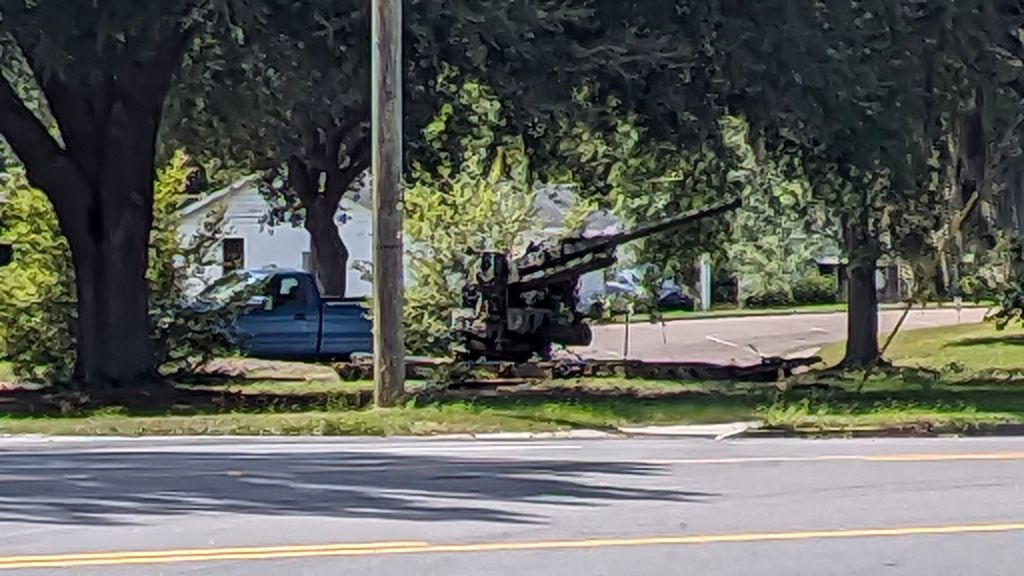
Like all wars it isn’t just glory. Just east of Waynesboro, this was a major, tragic clash where a surprise British attack routed the colonial forces. Many of the fallen soldiers were local backcountry settlers who were pushed into the treacherous local swamps. You are not forgotten brothers.
Heading up towards Augusta, the King Glide and I followed the exact path where these fiercely independent families transformed from European refugees into a formidable military force that helped secure the southern frontier during the Revolution.
Augusta was established in 1736 on the Fall Line as the premier frontier trading post with the Creek and Cherokee nation, before it became a the most contested frontier stronghold of the entire American Revolution.
The city was so strategically vital that it changed hands several times, culminating in the brutal Siege of Augusta in the spring of 1781.The siege was a direct showdown between backcountry Patriot militia units (heavily filled with fiercely anti-British Ulster-Scots riflemen) and the Crown’s forces, which included local Loyalists and Native American allies.
By 1780, the British had enacted their “Southern Strategy,” capturing Savannah and Charleston and successfully setting up fortified outposts across the interior. Augusta was the jewel of the backcountry—it was the center of the lucrative Indian deerskin trade, a major supply depot, and the gateway to controlling the entire western frontier of Georgia and the Carolinas.
To hold the town, the British and their Loyalist forces established two primary strongpoints right in the heart of Augusta:
-Fort Grierson: A smaller, fortified outpost located about half a mile west of the main defenses. It was commanded by Loyalist Colonel James Grierson.
-Fort Cornwallis: The main British bastion, centered around the grounds of the colonial St. Paul’s Church right on the banks of the Savannah River. It was commanded by a brilliant but ruthlessly despised Loyalist officer, Colonel Thomas Brown.
On May 22, 1781 the local Ulster and Highland Scot militia would join with other forces of the Continental Army to put Augusta under siege.
Continental General Henry “Light-Horse Harry” Lee (father of Robert E. Lee) brought his professional legion, teaming up with legendary local partisan militia leaders Elijah Clarke and Andrew Pickens, who commanded hundreds of backcountry Ulster-Scots and frontier riflemen.
The Patriots struck Fort Grierson first on May 23. The backcountry militia bypassed the walls, swarmed the defenses, and routed the Loyalists. Grierson tried to flee but was captured and promptly shot by a vengeful militia member.
Colonel Brown and his men retreated into Fort Cornwallis. The fort had thick earthen ramparts and British artillery, making a direct infantry charge suicidal for the Patriots. Because the ground was dead flat along the river, the Patriots couldn’t find a high angle to fire into the fort.
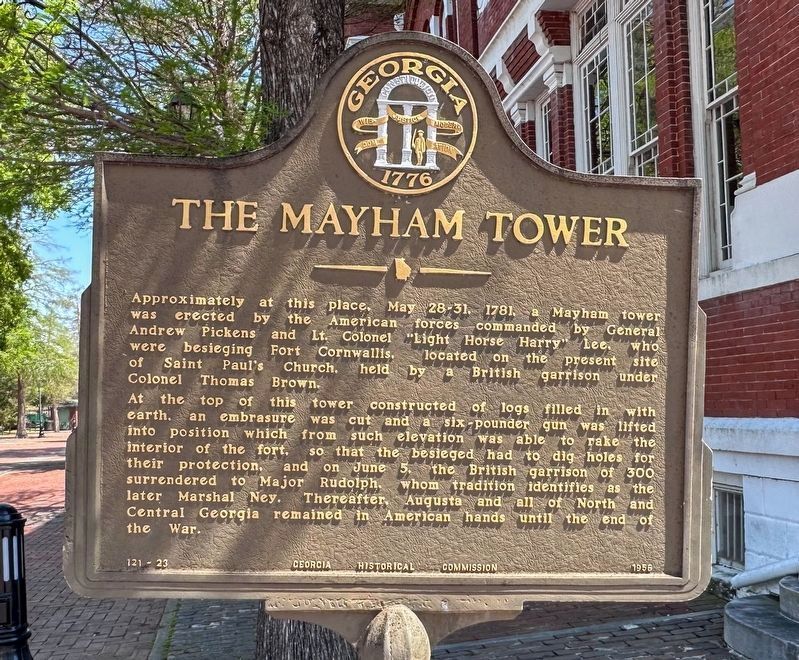
To break the stalemate, Colonel Hezekiah Maham (one of Lee’s officers) suggested an ingenious engineering trick.
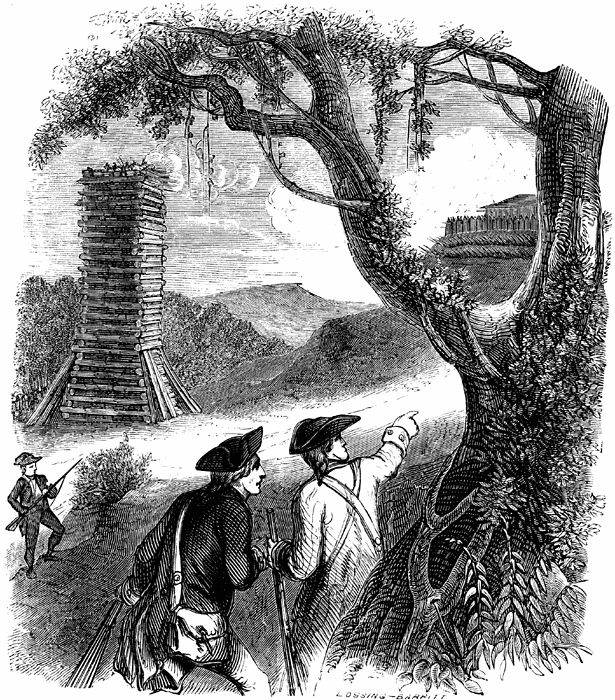
Under the cover of darkness, the Patriots cut down massive pine logs from the surrounding Georgia woods. They built a square, hollow wooden tower out of range, packing the inside with heavy clay to steady it.
When the sun rose, the British woke up to find a massive wooden tower looming over their fort. On top of the tower, the Patriots had mounted a Six-Pounder Cannon.
The Patriot gunners began firing directly down into the open interior of Fort Cornwallis, blowing apart the British artillery positions and picking off soldiers inside their barracks.
Realizing his position was completely hopeless and his water supply was cut off, Colonel Thomas Brown finally surrendered Fort Cornwallis on June 5, 1781. The victory permanently broke British control of the Georgia backcountry.
The next leg of the ride I ended up on a 2 and then 4 lane road that were nearly deserted in the middle of the day and I was not complaining. I turned the 2400w stereo up to asshole and played the only appropriate song for these brave and ingenious guerilla kinsmen of mine.
Heading north from Augusta toward Spartanburg, I was deep in the wagon ruts of old riding parallel to the historic Great Wagon Road network.
By the 1760s, the South Carolina backcountry around Spartanburg was a dense frontier packed with Ulster-Scots Presbyterian settlements.
Cowpens National Battlefield (Just north of Spartanburg), this is the site of the ultimate backcountry showdown (January 1781). Here, regular Continentals and fiercely anti-British Scots-Irish militia riflemen used a brilliant tactical trap to annihilate a superior British force under Banastre Tarleton.
The Patriots won the Battle of Cowpens (January 17, 1781) through what military historians consider the most brilliant tactical masterpiece of the American Revolution.
Continental Brigadier General Daniel Morgan took a major tactical liability—the backcountry militia disdain for old world combat of lining up and shooting before a bayonet charge, and turned it into a deadly trap that completely destroyed a superior, elite British force under Colonel Banastre Tarleton.
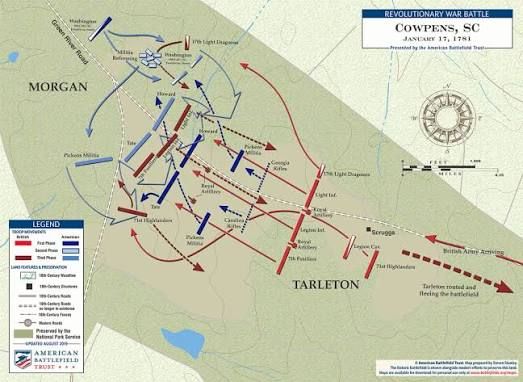
Morgan structured his trap using a unique strategy of defense-in-depth arranged in three distinct lines:
1. The Tactical Setup (The Three Lines)The Skirmish Line (First Line): Morgan placed about 150 elite sharpshooters out front. Their explicit orders were to hide behind trees, pick off British officers to destroy the enemy’s command structure, and then intentionally retreat.
2. The Militia Line (Second Line): Behind them stood the main body of backcountry militia, heavily made up of Ulster-Scots riflemen. Knowing they liked guerilla warfare over British bayonets, Morgan didn’t ask them to stand and die. He gave them a simple, achievable order: “Fire two deliberate rounds, and then you can fall back.”
3. The Continental Line (Third Line): At the crest of a low, rolling hill, Morgan positioned his hardened, bayonet-trained regular Continental soldiers, commanded by John Eager Howard. Hidden behind the hill out of sight was William Washington’s Continental cavalry.
When Tarleton’s British regulars arrived, they saw the militia out front and assumed it would be an easy rout. They launched a fierce, aggressive charge.
- The first line of sharpshooters fired, dropped British officers, and fell back to the second line.
- The second line of militia stood firm, delivered two devastating, close-range volleys directly into the advancing British ranks, and then turned and retreated around the left flank as planned.
Seeing the militia retreat, Tarleton believed the American line had broken. He ordered a reckless, full-speed charge up the hill to finish them off. The British troops broke their organized formation to chase the retreating Americans, sprinting right into the teeth of the third line.
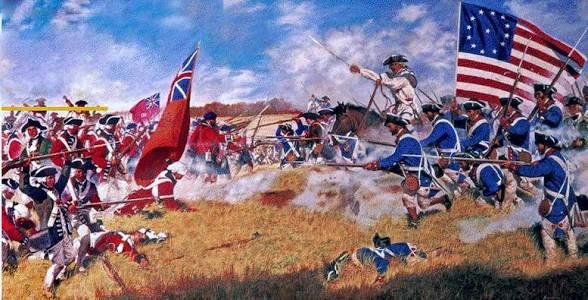
At the crest of the hill, the fresh, disciplined Continental regulars stood waiting. They delivered a crushing volley at point-blank range, stopping the messy British advance dead in its tracks.
As the British reeled from the volley, the “retreating” militia re-formed behind the hill and swarmed back out around one flank. Simultaneously, Washington’s cavalry charged out from hiding around the opposite flank.
This executed a perfect double envelopment (pinching the enemy from both sides). Caught completely by surprise, surrounded, and with most of their officers dead, the elite British force collapsed. Tarleton fled the field, leaving over 800 British casualties and prisoners behind, while the Patriots suffered only a handful of losses.
Leaving the Piedmont, my roure ascended dramatically up through the Howard Gap to enter the high mountain plateaus. I had arrived inn the promised land.
I met this night with brothers from all over to spend a night of drinking followed by a day riding the area. I grabbed a handle of Bourbon, being another Scottish contribution. We murdered it like a British tax collector who took a wrong turn.
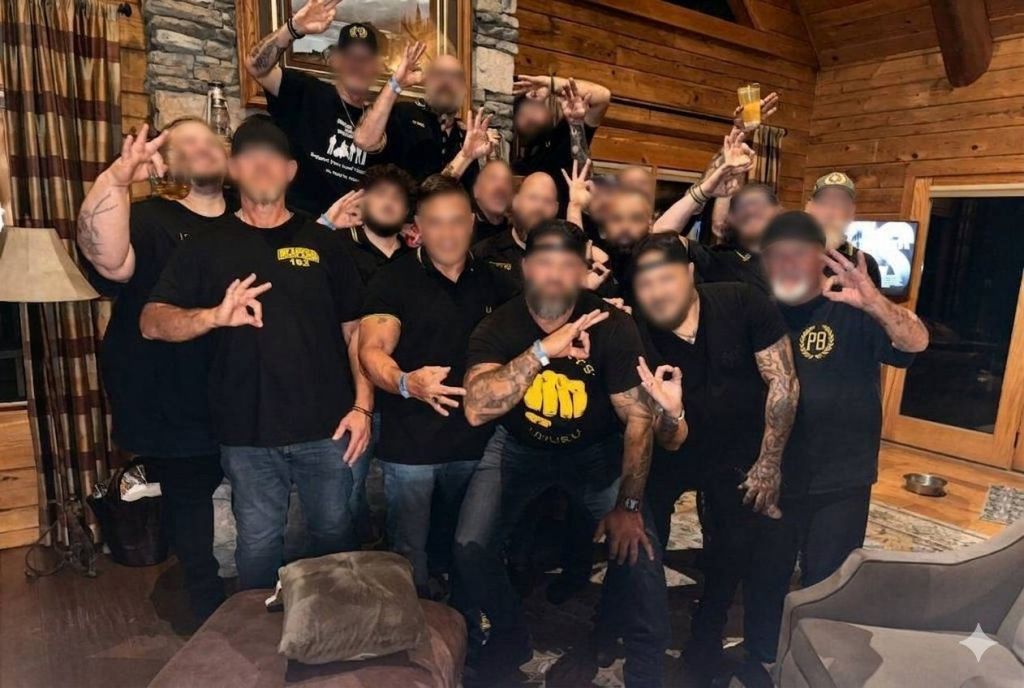
The area has much to explore on two wheels. Riding west from Asheville along the Great Smoky Mountain expressway (US-74/US-23), you drop right into Haywood County, the ancestral home of Western North Carolina’s mountain culture.
Founded in 1810, Waynesboro/Waynesville was settled almost entirely by Revolutionary War veterans—predominantly Ulster Scots—who were granted cheap land bounties for their military service.
They brought their traditions of independent farming, livestock herding, and old-time fiddle music (which directly evolved from Scottish border ballad traditions).
Maggie Valley & The High Bogs: Tucked into a high, emerald valley,. Home of the Wheels Through Time Motorcycle Museum, annual bile festivals, Highland Games, and music festivals. The entire area has golf courses spread around, golf being another Scottish game that has taken root in America.
Maggie Valley was a rugged, isolated pocket of traditional Appalachian life well into the 20th century, preserving deep-seated Scots-Irish cultural roots, farming techniques, and independent mountain life.
Continuing west past Maggie Valley, you cross Soco Gap and drop into Cherokee, NC, the home of the Eastern Band of Cherokee Indians.
The Qualla Boundary: Unlike western reservations, this land is not a federal land grant; it is a sovereign territory purchased back by the Cherokee people in the 19th century.
The Cherokee would fight as comrades in arms with the Scot-Irish against the forces of evil and Lincoln the Butcher in coming decades. The relationship, however, had a rocky start.
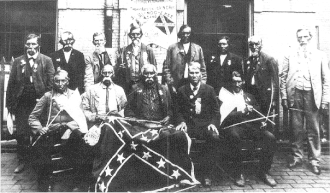
During the Revolution, the British successfully allied with the Cherokee to protect their borders from encroaching white squatters. In response,
Patriot militias—largely made up of backcountry Ulster-Scots riflemen—launched the devastating Rutherford Expedition. They marched straight through Haywood County, burning dozens of Cherokee towns, cutting down orchards, and forcing the Cherokee further west.
Despite the horrific warfare, the two groups intensely influenced each other’s survival tactics. We all know that sometimes you have to duke itt out to earn respect and the Cherokee know these people are not like some of the other white people, neither liked the government and that is a good basis for being good neighbors.
The incoming Scots-Irish abandoned traditional European farming methods and adopted Cherokee agricultural staples, learning to cultivate corn, squash, and beans in the rocky mountain soil.
They also adopted Cherokee knowledge of local medicinal roots like ginseng, which became a massive cash crop for early mountain settlers.
The survival of the Eastern Band of Cherokee in this region is largely due to an extraordinary relationship with a local white settler named William Holland Thomas.
Born in Haywood County and raised by a single mother, Thomas was befriended and effectively adopted by the Cherokee Chief Yonaguska. Thomas became a successful local merchant, learned the Cherokee language, became a chief himself, and used his legal status as a white man to buy up the mountain land in his own name to secure it for the Cherokee, creating what is now the Qualla Boundary.
Back to the motorcycle ride, we again did a run that brings bikers from around the world to an opd indian path through what is now NC to Tennessee. Now it is highway 129 known as the “Tail of the Dragon”.
Deals Gap sits at an elevation of 1,988 feet in the Great Smoky Mountains. Long before it was paved, this natural gap was an ancient Cherokee trail.
When Ulster-Scots pioneers poured into western North Carolina and eastern Tennessee in the late 18th and early 19th centuries, natural gaps like this were the only viable passageways through the brutal, unforgiving mountain terrain.
The pass itself is named after the Deal family, which is a classic example of the ancestral blending in the region. The surnames of the families who settled, logged, and farmed the isolated hollows surrounding the gap—such as the Deals, Taylors, Scotts, and Grahams—map directly back to the families who migrated from the Scottish Borders and Ulster.
These families established small, self-sufficient mountain homesteads, carving a living out of the rocky hillsides.
Because places like Deals Gap, Robbinsville, and Cades Cove were so geographically isolated from the rest of the East Coast, the Scots-Irish culture stayed perfectly preserved in these mountains for generations:
- The Music: The old-time mountain music and early bluegrass played in these gaps used fiddle techniques and storytelling structures brought directly from the British borderlands.
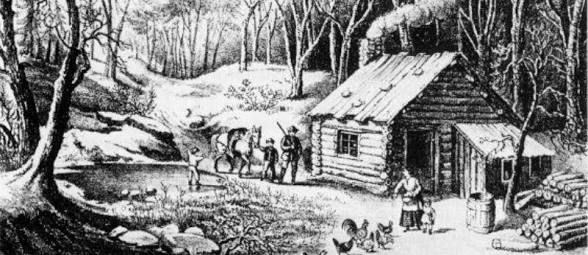
- The Architecture: The classic Appalachian notched log cabins built in the surrounding valleys were a direct evolution of the quick, sturdy timber construction methods developed by Ulster frontiersmen.
- The Independence: The fiercely independent, anti-authoritarian attitude of the mountain people—which later fueled the region’s legendary history of moonshining along hidden mountain paths—traces directly back to their ancestors’ centuries-old distrust of tax collectors and crowns in Europe.
The Tail of the Dragon is considered the most challenging motorcycle stretch in the continental US. There are 318 curves in 11 miles. This year I set out to make one leg using no brakes relying only on engine braking. I didn’t quite succeed but came close.
When you ride through Deals Gap today, you aren’t just riding a world-class asphalt track; you are tracing the literal footsteps and property lines of the hardened Ulster-Scots families who tamed the highest ridges of the American frontier.
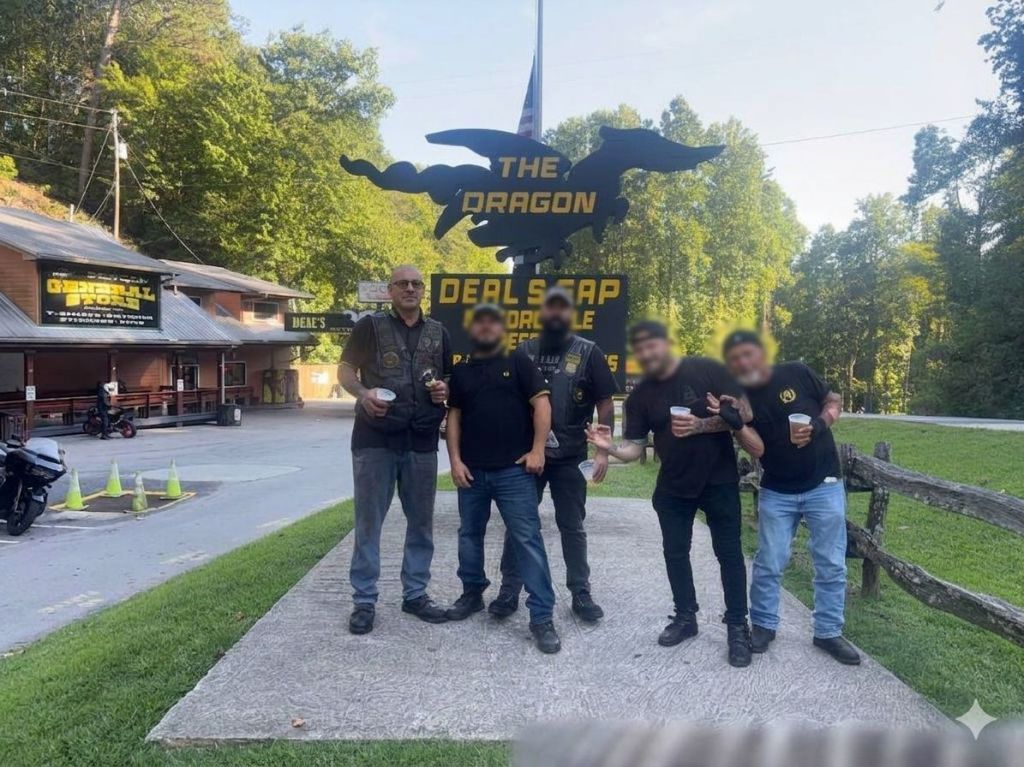
We rode back towards the Air-BnB with the sun setting behind us.
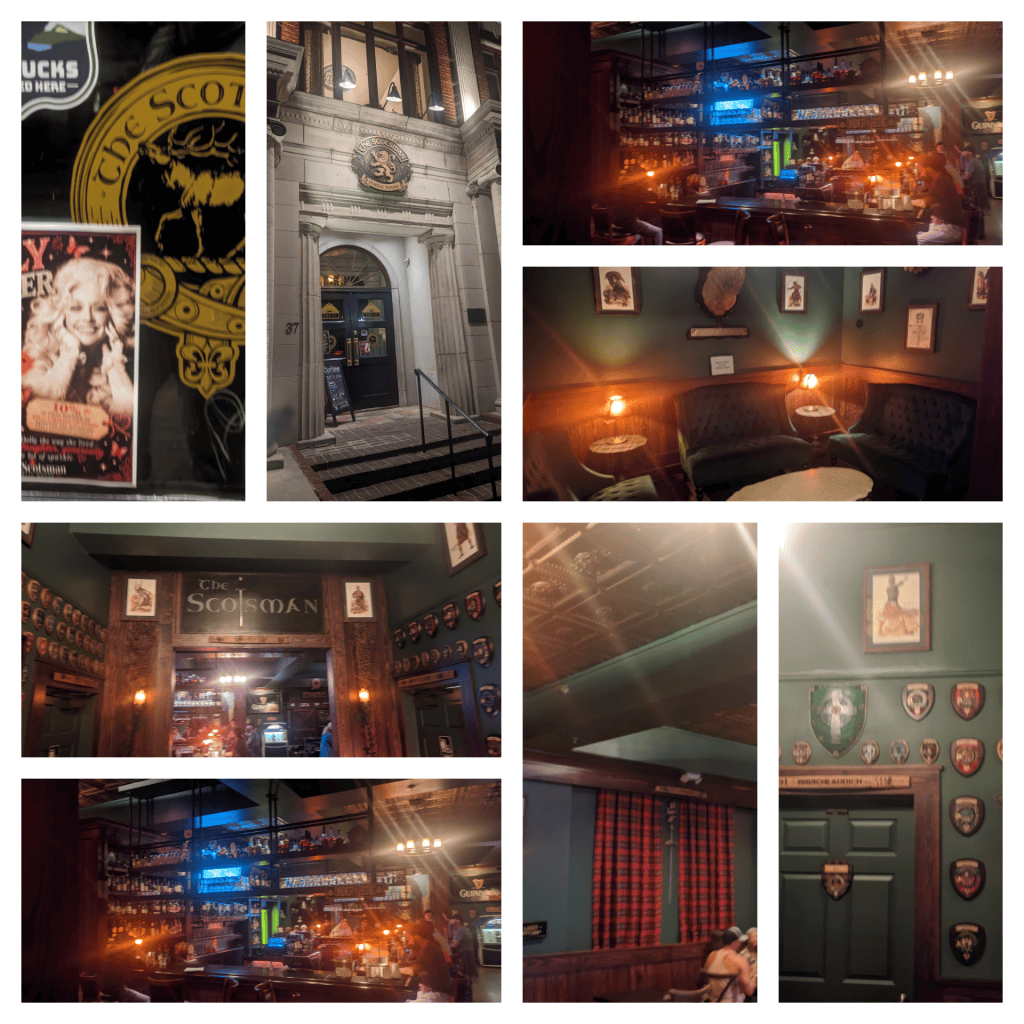
I was not ready to end the day and when U looked for a place to have a celebratory beer or 3 I found the Scotsman Public House in Waynesboro. The staff was friendly and there were multiple scottish beers on tap and scotches on the shelf. I stay away from liquor when riding but the beers were fantastic and the atmosphere was amazing.
I shot the shit with a sportscaster in town covering the golf tournament, and another brother came up and we closed the weekend out as the last men standing.
I decided I wanted to see the sun rise on the mountains and got up early and hit the road. Going down the mountain I was treated to the classic fog layers that gave them the name “Smoky Mountains”. I figured there had to be the instrument we created somewhere in here so I grabbed a recording with some banjo in it, covering the classic from Ian Stuart in Jacksonville circa 2015.
The next parts in this series will be over the next year or two, I will ride along the diaspora from the Blue Ridge up through the Shenandoah Valley and into Pennsylvania, followed by the deeds of Ulster Scots in the War of Northern Aggression.
For now I’m going to ride back along those coastal swamps of South Georgia and North Florida thinking about how we can convince the government to give us our own disputed lands and become the new Reivers. It may be all we have left
Then again, we might have crazy idea like the Tower of Victory in the works under the cover of darkness.
Whatever happens, those 250,000 Ulster-Scots are now millions.
I would not suggest betting against them.

